Optimal Timing for Foundation Repairs
Foundation repairs are most effectively performed under specific conditions that minimize disruption and ensure long-lasting results. The optimal timing depends on weather patterns, soil conditions, and the severity of foundation issues. Understanding these factors can help determine the best period for scheduling repairs.
Spring and summer often provide ideal conditions due to warmer temperatures and stable soil moisture levels, facilitating effective repairs.
Dry weather reduces soil expansion and contraction, preventing further foundation movement during repairs.
Timing repairs when soil moisture is moderate helps ensure soil stability, reducing the risk of future foundation movement.
Major foundation issues should be addressed promptly, regardless of season, to prevent further structural damage.
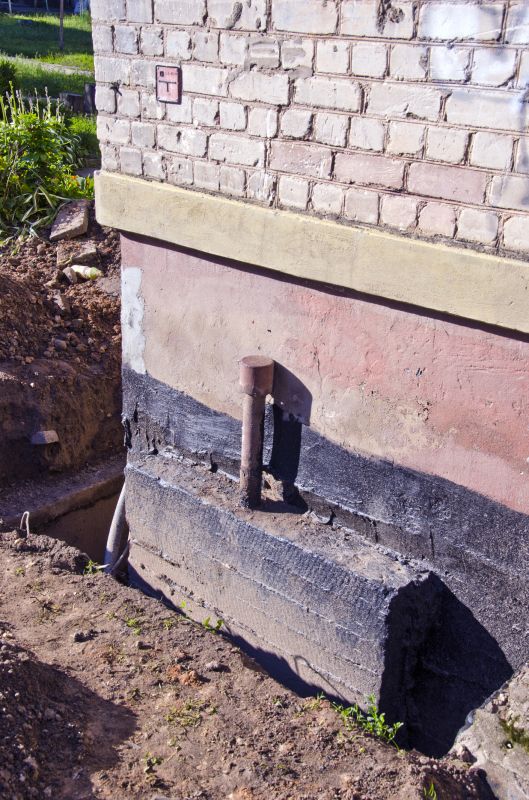
Spring offers moderate temperatures and manageable soil conditions for effective repairs.
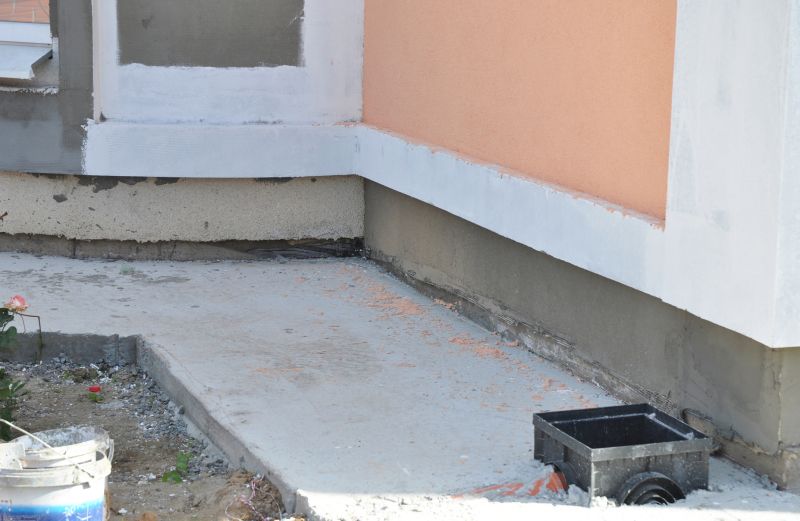
Summer's dry conditions help stabilize soil, making it an optimal time for foundation work.
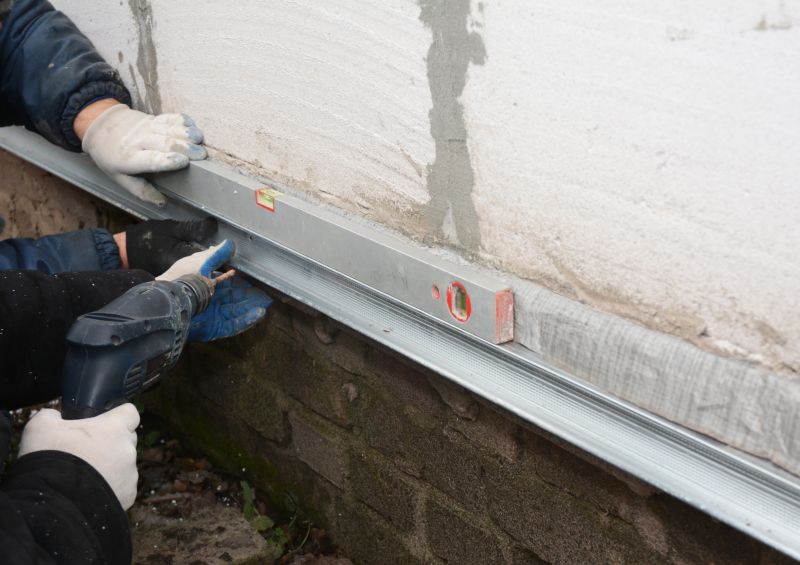
Fall can be suitable when soil moisture levels are balanced before winter.
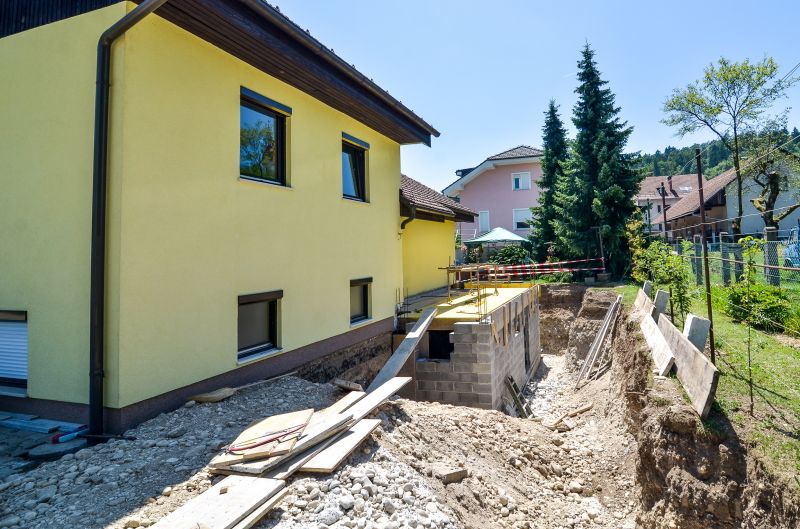
Winter repairs are generally avoided due to frozen ground and limited accessibility, but in mild climates, they may be possible.
| Season | Ideal Conditions |
|---|---|
| Spring | Warm temperatures, moderate soil moisture, and stable ground |
| Summer | Dry weather, low soil moisture fluctuation |
| Fall | Balanced soil moisture before winter |
| Winter | Limited, suitable in mild climates with thawed ground |
Foundation repairs involve correcting issues such as settling, cracking, and shifting that can compromise the stability of a structure. These repairs may include underpinning, piering, or stabilization techniques designed to restore integrity. Proper timing ensures that repairs are durable and minimizes the risk of recurring problems caused by soil movement or weather conditions.
Statistics indicate that addressing foundation issues early can prevent more extensive and costly repairs later. Studies show that over 30% of structural damages are related to foundation problems, underscoring the importance of timely intervention. Seasonal considerations, soil conditions, and the extent of damage all influence the success of foundation repair projects.
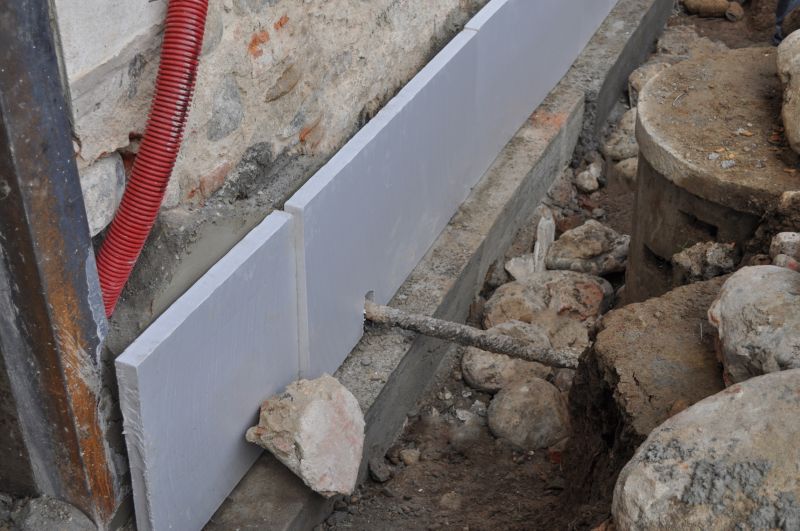
Visual overview of underpinning and stabilization techniques.
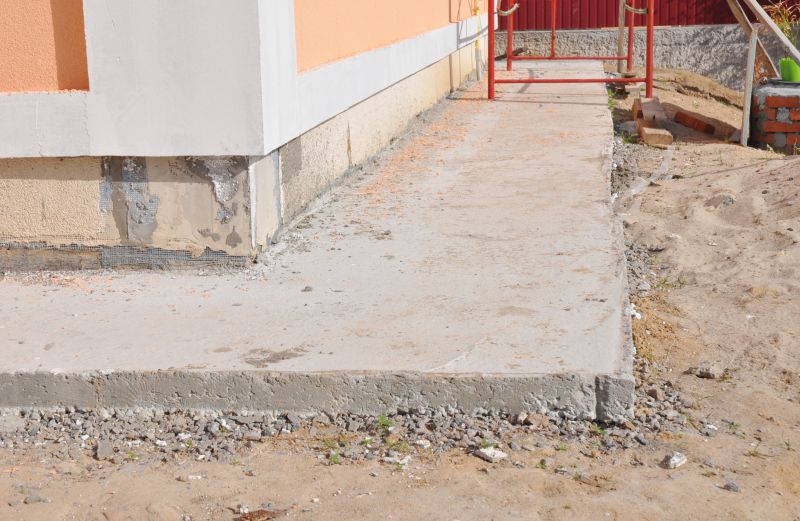
Examples of structural stabilization and correction.
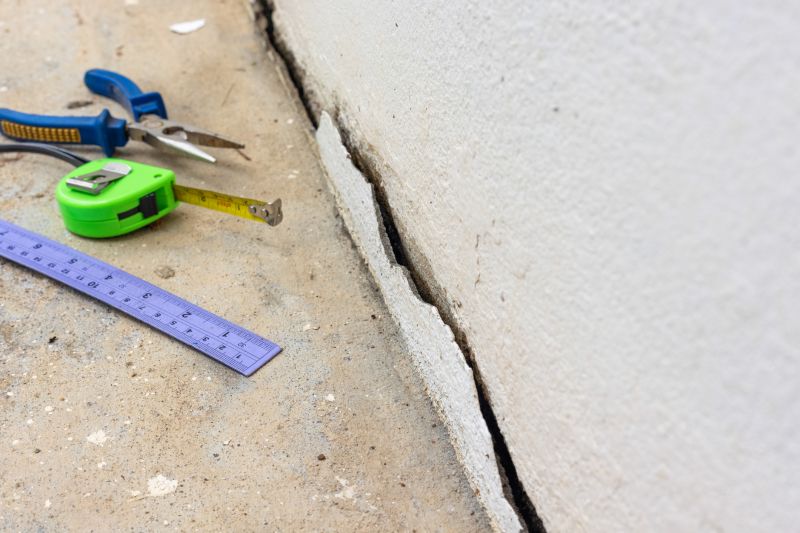
Specialized equipment for underpinning and piering.
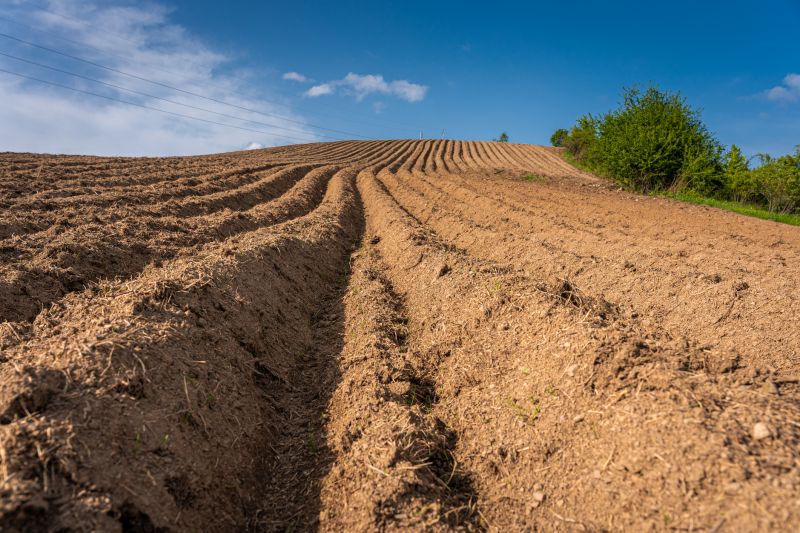
Methods to improve soil conditions prior to repairs.
Interested property owners are encouraged to contact for more information about foundation repair options and scheduling. Proper timing and professional assessment can help maintain structural integrity and prevent costly future repairs.